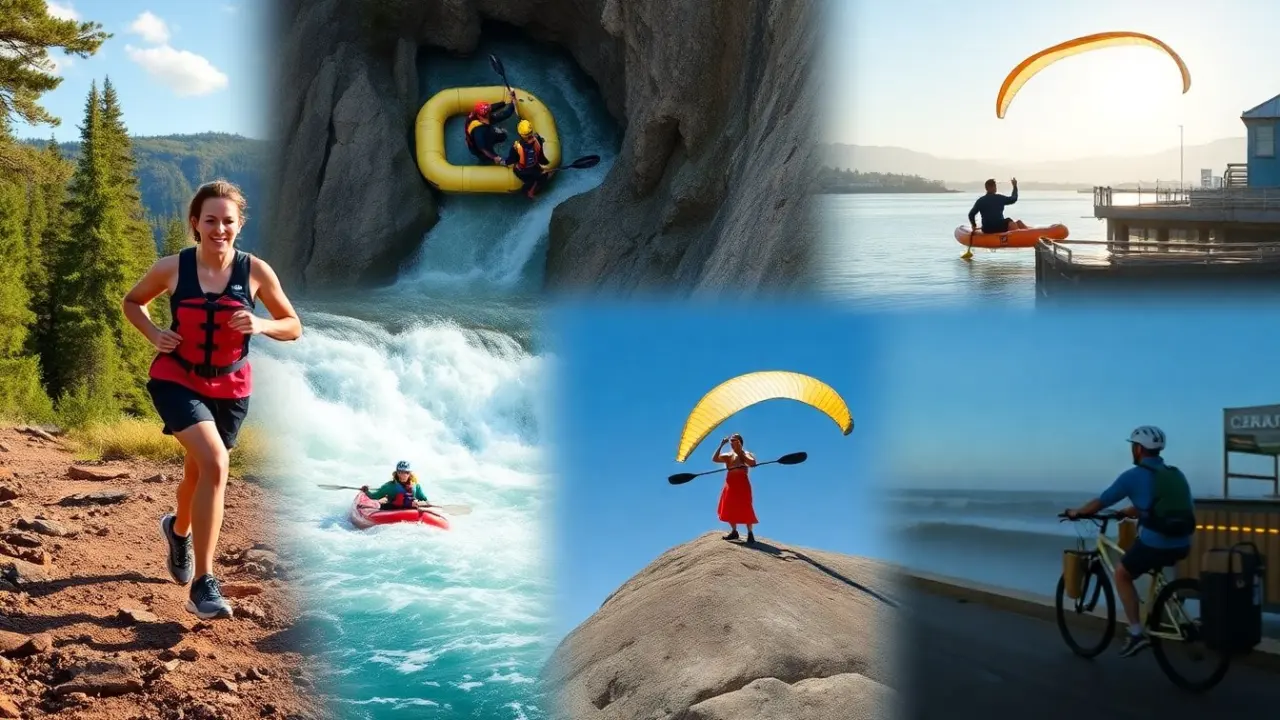
The list of adventurous things to do starts here. It gives clear, action-focused ideas for people who want high energy trips. Each idea explains what to expect, where to go, and basic safety tips. The tone stays direct. The reader can scan and pick one plan that fits their fitness and comfort level. Below each category are practical prep steps, typical gear lists, and pointers on how to find reputable instruction or local guidance so a weekend getaway can scale up to a multi-day expedition as confidence and skill grow.
Key Takeaways
- Adventurous things to do range from high-adrenaline outdoor activities like trail running and rock climbing to water-based thrills such as kayaking and scuba diving, each requiring proper gear and safety checks.
- For airborne adventures like skydiving and paragliding, always choose certified instructors, review weather conditions, and consult a doctor if you have health concerns.
- Engage in wildlife and remote nature explorations with thorough planning to ensure safety and respect for natural habitats, including permit checks, wildlife-safe practices, and contingency plans for evacuation.
- Urban and cultural adventures such as walking tours, food hunts, and bikepacking offer exciting, low-impact options suitable for city explorers with limited time, and they are great ways to practice navigation, local research, and light packing skills.
- Booking guided tours, taking safety precautions, carrying the right personal protective equipment, and building basic navigation and first-aid skills enhances the experience and reduces risks across all adventurous things to do.
High-Adrenaline Outdoor Adventures
Trail running, rock climbing, and whitewater rafting rank high among adventurous things to do for thrill seekers. Trail running tests stamina on uneven ground and can mean short, steep sprints or long-distance mountain routes; choose shoes with good grip, carry layers and water, and learn to read trail markers. Rock climbing builds strength and focus on short to long routes—indoor courses are a safe way to start before moving to outdoor crags; learn rope work, knot-tying, and partner checks, and always use a helmet. Whitewater rafting forces teamwork in moving water; begin on guided grades suited to your experience and wear a personal flotation device and helmet. Each activity needs basic gear: proper shoes, helmet, harness where appropriate, and a certified guide for technical routes. They should check weather and local conditions, avalanche or flash-flood forecasts where applicable, and route closures before leaving. Beginners should book an introductory course and practice rescue basics; experienced people can push grade or distance, but they should still plan escape routes, emergency contacts, and carry communication devices such as a satellite messenger for remote outings.
Water-Based Thrills
Kayaking, scuba diving, and kite surfing rank among adventurous things to do for water lovers. Kayaking offers calm lake paddles, protected estuary wildlife viewing, and ocean surf runs; choose the boat type that matches conditions, learn self-rescue skills, and check tide and weather windows. Scuba diving reveals reefs and wrecks underwater; get certified through a recognised course, plan dives with a buddy, monitor nitrogen exposure and surface intervals, and rent well-maintained gear from reputable shops. Kite surfing combines wind power with board control on open water and requires lessons to learn kite handling, launching, and emergency releases. Each option requires training and certified instruction for safety. They should check tide tables, currents, visibility reports, and local regulations like marine protected areas. Gear must fit well—wetsuit or drysuit for temperature, properly sized buoyancy devices, and a reliable means of signaling. They should carry a personal flotation device and a communication plan, and leave a trip plan with someone onshore. Local outfitters provide guided tours that reduce risk, speed learning, and offer insights into the best seasons and launch points for the most rewarding experiences.
Airborne And Height Experiences
Skydiving, paragliding, and via ferrata count as top adventurous things to do for height lovers. Skydiving delivers a short, intense adrenaline peak from thousands of feet; tandem jumps with an instructor let beginners experience freefall safely, and drop zones follow strict maintenance and packing standards for parachutes. Paragliding gives long, quiet flights with changing views—start with a tandem or a school course that covers weather reading, launch and landing technique, and reserve parachute use. Via ferrata mixes hiking and fixed-rope climbing on cliff faces and is accessible to many people when using a proper via ferrata lanyard and helmet; route grading helps match challenge to skill. Each activity requires certified instructors and proper harnesses, helmets, and inspected equipment. They should review weather briefings, wind forecasts, and weight limits, and confirm the operator’s insurance and safety record when possible. People with heart, respiratory, or joint concerns should consult a doctor. Booking with a reputable operator reduces risk and ensures clear safety briefings; beginners should aim for progressive exposure—short experiences first, then longer or more technical options as skills grow.
Wildlife And Remote Nature Explorations
Remote trips and wildlife work suit people who want slower but daring adventures. They offer close contact with nature, opportunities to study ecology, and encounters that require adaptive thinking. Examples include multi-day backcountry treks, guided wildlife tracking, and volunteer conservation stints—each brings logistical challenges like route finding, food planning, and emergency extraction. Weather and logistics add challenge; plan extra days for bad weather, carry reliable navigation (maps, compass, GPS), and pack layered clothing, shelter, and a well-stocked first-aid kit. Respect for habitat keeps encounters safe and ethical: understand animal behavior, use binoculars and cameras rather than approaching wildlife, store food securely, and follow Leave No Trace principles. Arrange permits where required, register your route with local authorities or rangers, and consider hiring local guides who know seasonal movement patterns and safe viewing distances. For true remote adventures, consider travel insurance that covers evacuation and check vaccine and medical prep for the region you’ll visit.
Urban, Cultural, And Low-Impact Adventure Options
Walking tours, food hunts, and bikepacking count as adventurous things to do for city explorers. Urban walking tours reveal hidden architecture, neighborhood histories, street art, and local stories; mix guided walks with self-guided explorations using offline maps and local cultural centers. Food hunts expose regional flavors and market culture—research dietary specialties, opening hours, and respectful ordering customs to get the most from a culinary route. Bikepacking links distance riding with light camping on weekend routes and is a practical way to combine exercise, efficient travel, and immersion in countryside or coastal roads. Each option fits lower-impact travel and tight schedules and is adaptable to many fitness levels. They should map safe streets and bike routes, learn local laws and cultural norms, and identify secure storage and accommodation options. Travelers should carry a small repair kit for bikes, puncture repairs and multi-tool, a reusable water bottle, a basic first-aid kit, and an app or paper map for navigation. Booking local guides deepens cultural insight, supports small businesses, and can unlock off-the-beaten-path experiences—combine these urban and cultural options with seasonal events to add variety without a big environmental footprint.