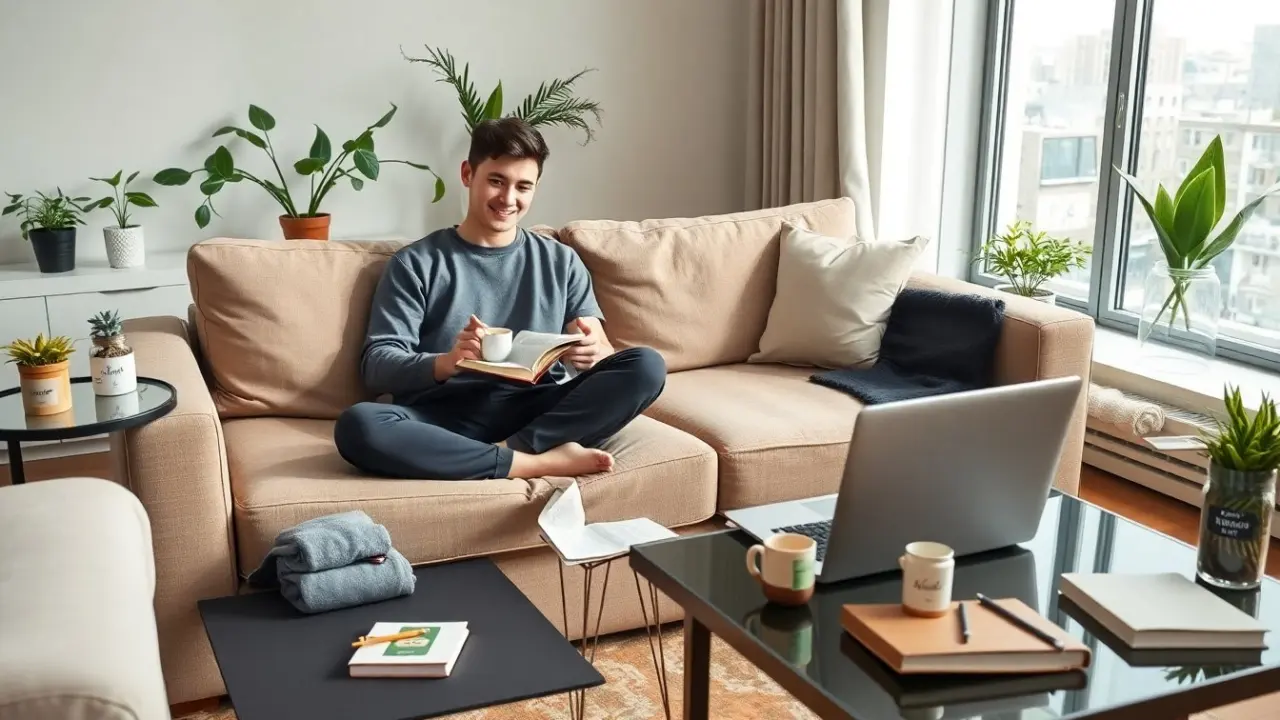
Things to do alone at home help people refresh, relax, and grow. This list gives clear, simple ideas someone can try today. Each idea costs little or no money. Each entry focuses on mood, skill, or comfort. The suggestions help a person use time well and feel better. Below are concrete actions, short explanations of why they help, and small tips to make each activity feel doable and satisfying.
Key Takeaways
- Things to do alone at home include simple self-care routines like taking a warm bath or practicing meditation to refresh body and mind.
- Engaging in creative projects such as cooking new recipes, learning an instrument, or writing short stories helps build skills and spark joy.
- Low-effort entertainment options like listening to music, watching light movies, or doing puzzles provide instant comfort and relaxation.
- Setting small daily goals and maintaining a consistent routine can enhance well-being and track progress effectively.
- Trying new activities at home costs little to no money and supports mental health and personal growth.
- Break tasks into minutes, not hours — short, consistent efforts are often more sustainable than large, infrequent sessions.
- Keep a small notebook or digital list to capture ideas and track what felt good, so you can repeat activities that help the most.
Self-Care And Wellness Routines To Recharge Your Body And Mind
People can start small to boost their mood and health. They can take a warm bath with a few drops of essential oil. They can set a 10-minute breathing timer and sit quietly. They can stretch for five minutes when they wake. They can set a consistent sleep time and follow it. They can drink water first thing in the morning. They can prepare a simple, healthy meal and savor each bite. They can apply a face mask and listen to a favorite song.
Simple routines improve both immediate mood and longer-term wellbeing because they build predictable structure. For example, a short morning movement routine can increase energy, while a consistent evening wind-down (no screens, dim lights, gentle stretching) signals the brain it is time to rest. Small acts like keeping a water bottle nearby or laying out clothes the night before remove friction that can make days feel harder.
They can track sleep and steps with a basic app. They can do a short bodyweight workout in the living room. They can swap coffee for herbal tea in the afternoon. They can write three things they feel grateful for at night. They can schedule a 20-minute walk outside to get fresh air. They can try a guided meditation app for a calm start. They can limit screen time one hour before bed to improve rest.
Self-care does not have to be time-consuming: a two-minute hand massage, five minutes of diaphragmatic breathing, or a quick tidy of a single surface all add up. When trying new habits, pick a tiny version first (e.g., stretch one song long, not 30 minutes) and increase only if it feels good. If something does not help, drop it and try a different small practice — customization matters.
They can do self-massage or use a foam roller for tight muscles. They can set a small goal for the week and mark progress. They can try a new vitamin or supplement after checking with a clinician. They can set a gentle daily routine and keep it consistent. They can clean one small area to reduce stress. They can play soft music while they unwind. They can practice slow, mindful eating to notice hunger and fullness.
Creative Projects And Skill-Building That Spark Joy
They can pick one craft and try it for an hour. They can sketch a small scene with pencil and paper. They can learn a short song on an instrument using online lessons. They can sew a simple pillow or mend a favorite shirt. They can cook a new recipe and write notes about adjustments. They can join a free online class and complete one lesson. They can plant herbs in jars and label each one.
Creative projects help shift focus away from stress and toward curiosity and accomplishment. The act of making — whether it’s a meal, a drawing, or a coded webpage — produces small, visible results that feel rewarding. To stay motivated, set a focused, short goal (complete one recipe, learn one chord, finish a single sketch) and save larger goals for later.
They can start a 30-day photo challenge and post only for themselves. They can write a short story of 300 words and revise it once. They can build a basic website using a free tool. They can learn keyboard shortcuts to speed up work. They can try calligraphy with a brush pen and practice basic strokes. They can upcycle an old t-shirt into a tote bag. They can practice a foreign language with a 10-minute app daily.
Learning a new skill at home becomes manageable when broken into consistent micro-sessions. For example, ten minutes a day of language practice or finger exercises on an instrument leads to measurable improvement over weeks. Use simple tracking (a calendar, checklist, or habit app) to notice streaks — seeing a small chain of progress motivates continuation.
They can make a simple portfolio of their work. They can record a short video to practice speaking skills. They can create a small business plan for a hobby. They can experiment with color palettes in a free design app. They can try digital drawing with a trial tablet app. They can set a weekly progress goal and celebrate small wins. They can explore online tutorials and follow one step at a time.
Low-Effort Entertainment And Relaxation Ideas For Instant Comfort
They can make a playlist of favorite songs and listen without doing anything else. They can watch one light movie and fully relax on the couch. They can read a short book or several magazine articles. They can brew special tea and sit by a window to watch clouds. They can call a friend and talk about one good thing that happened this week. They can light a candle and play soft sounds for 20 minutes.
Low-effort entertainment is useful when energy is low but the desire for comfort remains. These activities require minimal setup and provide quick positive sensations — warmth, laughter, curiosity, or nostalgia. Rotate a handful of go-to options so you have reliable choices depending on how you feel.
They can do a puzzle for quiet focus. They can sort photos and save the best ones to a folder. They can try a new board or card game against a computer app. They can stream a live concert or comedy special. They can nap for 20 minutes to boost energy. They can practice gentle yoga for relaxation. They can arrange fresh flowers or trim a plant.
Combine low-effort activities with tiny rituals to make them feel special: a specific mug for tea, a blanket reserved for relaxation time, or a playlist only used for unwinding. These small signals help your brain associate the activity with comfort and recovery. If an evening feels fragmented, choose one short ritual (15–30 minutes) and commit to it fully instead of multitasking.
They can listen to an audiobook while folding laundry. They can make popcorn and try three new seasonings. They can build a cozy nook with blankets and a lamp. They can sketch simple doodles while a podcast plays. They can plan a future trip by browsing maps and notes. They can switch off notifications for an hour and enjoy silence. They can set a small, cozy ritual to end the day and keep it regular.