backpacking tips cwbiancavoyage from conversationswithbianca is the title of a travel guide on conversationswithbianca.com, a parenting and lifestyle blog that also has a travelling section. This post walks through the guide as a series of steps you can follow, and says clearly where the advice is the site’s own and has not been tested here.
| Where it appears | The traveling category of conversationswithbianca.com |
| What it covers | Route planning, light packing, trail routines, navigation, money and documents, responsible travel |
| Voice | Written about “she”, under the cwbiancavoyage label |
| Best used for | A first backpacking trip checklist |
Step 1. Decide what the trip is for
The guide begins with goals. Pick a daily distance you are sure you can manage, list the places you cannot miss, and schedule rest days. Choose a season that matches your experience, then look up local holidays and weather. A flexible route with marked bail-out points is better than a fixed one, because a blister or a storm can end a plan quickly.
The guide also suggests booking the first and last nights ahead, which removes the two most stressful arrivals, and adding spare days in case of delays. Tell someone you trust where you are going and give them a copy of your itinerary.
Step 2. Pack what you will use every day
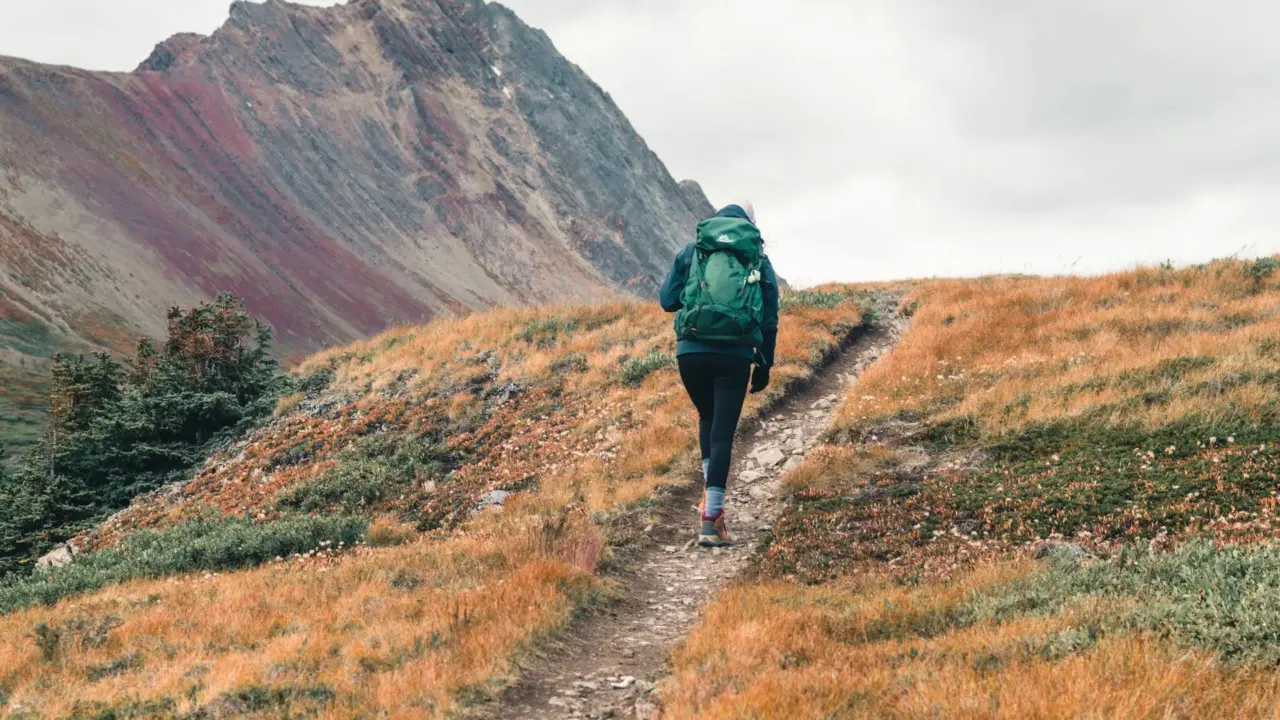
For the packing list, the guide’s advice is to carry what you use daily and drop what you do not. The items it names are a light sleeping system, a compact stove, water treatment, a first-aid kit, quick-dry clothes and a rain shell. It adds repair tape, a multi-tool and a headlamp. Items that do two jobs are preferred, and the list is reviewed before each trip so unused things are removed.
A simple way to apply this is to lay everything out on the floor, then put back only what you can explain a use for. If something has not been needed on your last two trips, leave it at home.
Step 3. Build a daily routine on the trail
The guide recommends starting early, pacing yourself, choosing durable campsites and practising minimal impact. That means the Leave No Trace habits: pack out rubbish, camp on durable ground and keep to existing paths.
Health habits matter as much as speed. The guide mentions treating water and preventing blisters. These are common advice from many hiking sources, and the best ones to check against a national park or a hiking club’s own pages for your area.
Step 4. Carry navigation and emergency supplies
Do not rely on a single phone. Carry a map or a reliable navigation tool as a back-up and know how to use it before you leave. Take emergency supplies suited to the terrain and season, and make sure at least one person knows when you are due back. Local conditions vary too much for a blog to cover, so use official trail pages for closures and warnings.
Step 5. Manage money, documents and connection
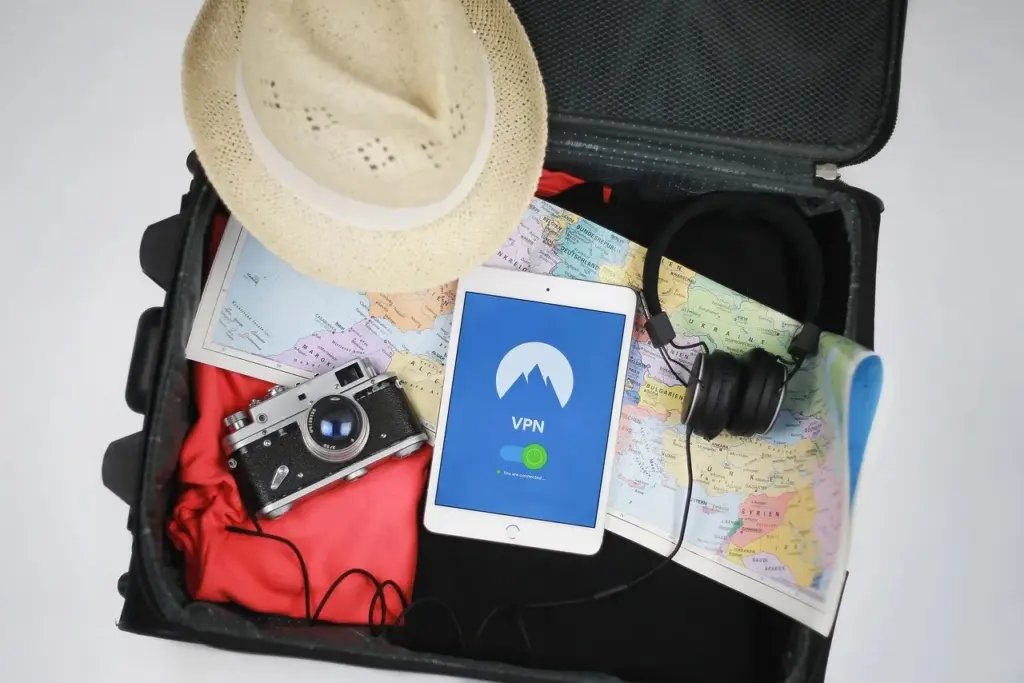
The guide advises using more than one payment method, keeping documents in a secure pocket and storing scans of important papers in encrypted cloud storage. It also suggests a local SIM or an international plan so you can stay in touch. Before you go, check what your bank charges for foreign use, and note the emergency number for the country you are visiting.
Step 6. Travel in a way that respects the places you pass
The last part of the guide is about responsible travel: Leave No Trace, respect for local cultures, spending money with local businesses and using reusable items. These are easy to fold into your plan from the start, for example by choosing a local guesthouse over a chain and carrying a refillable bottle.
A worked example: turning the steps into a weekend plan
Here is how the steps above might look for a first two-night trip, written as a plan you can adapt. It is an illustration, not something taken from the guide.
- One week before: choose the route, write down the distance for each day and the place you would turn back, and send the plan to a friend.
- Three days before: check the forecast and any trail notices, and charge a power bank.
- The night before: pack, weigh the bag, and take out one thing you would not miss. Put copies of your documents in cloud storage.
- Day one: start early, stop for water on a schedule, and set up camp with daylight to spare.
- Day two: repeat, and check your feet at each break. Treat a hot spot before it becomes a blister.
- Day three: pack out all rubbish, tell your contact you are back, and note what you carried and never used.
The companion page: by conversationswithbianca traveling hacks cwbiancavoyage
A second guide on the site, titled by conversationswithbianca traveling hacks cwbiancavoyage, covers the same ground with a different bent. It breaks a large trip into micro itineraries: each day gets one main activity and one backup, travel time and transfers are treated as fixed slots, and a flex day appears every three to five days so you can rest or follow a local event. It recommends a capsule wardrobe of versatile quick-dry clothes with laundry stops planned in advance, and says to choose flight seats by how much rest you need, bring sleep aids and time your meals.
For local life it suggests community apps, family-run restaurants, learning a few phrases and taking a local class. For safety and connectivity it lists digital backups of your documents, a local SIM, payment alerts from your bank, and avoiding public Wi-Fi without a VPN.
Where conversationswithbianca fits
Conversations with Bianca is mainly a parenting and mom-life blog, and its travelling section sits beside food, gifts and mom style. The About page says it was founded by Bianca Johnson, a marketer and entrepreneur, with contributors such as Jennie Powell. The travel guides are written about “she” and describe themselves as based on real trips, and they carry no dates, photos or itineraries, so read them as a general checklist.