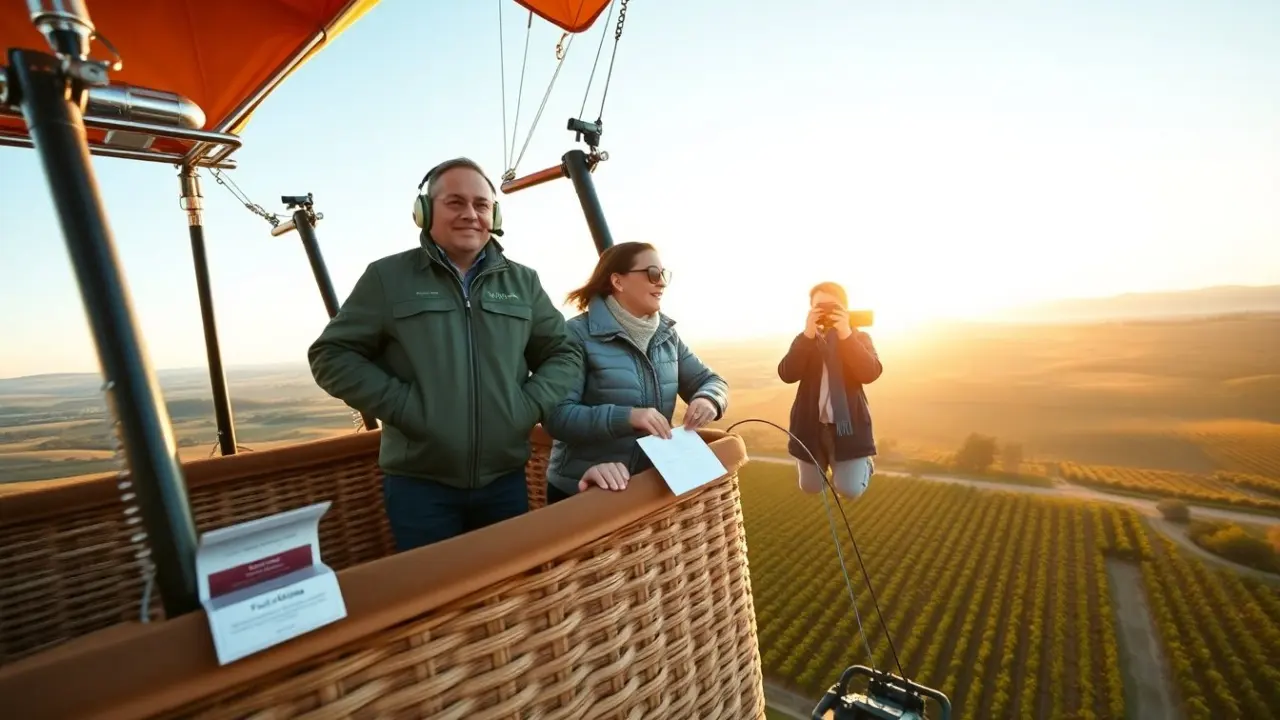
A hot air balloon ride offers calm views and a slow, steady ascent. A first-timer can expect quiet flight, wide views, and a mild breeze. This guide explains what to expect, how to prepare, where to go, and how to choose an operator. It keeps advice clear and practical. Readers will learn simple steps to book and enjoy their hot air balloon ride with confidence.
Key Takeaways
- A hot air balloon ride offers a calm, scenic flight with gentle motion and panoramic views, perfect for first-timers seeking a peaceful experience.
- Prepare for your hot air balloon ride by dressing in layers, wearing close-toed shoes, and arriving early for check-in and safety briefings to ensure a smooth flight.
- Bring a small bag with essentials like a camera, sunglasses, water, and a light snack to capture memories and stay comfortable during the ride.
- Choose reputable hot air balloon operators by verifying pilot licenses, safety records, and clear communication to enjoy a secure and quality flight.
- Popular destinations like Napa Valley, Cappadocia, and Albuquerque provide unique landscapes and memorable ballooning experiences tailored to various preferences and budgets.
- Book early, compare packages, and consider flexible options to get the best value while ensuring your hot air balloon ride fits your desired schedule and comfort level.
What To Expect On Your First Hot Air Balloon Flight
A hot air balloon ride begins on the ground with a short safety briefing. Crew members inflate the balloon and explain procedures. Passengers board a wicker basket that holds a small group. The pilot ignites burners and the balloon lifts slowly. The flight lasts about 45 to 90 minutes depending on the package. Passengers feel gentle motion and light wind, not turbulence. The pilot steers by changing altitude to catch different wind directions. Landings may be soft or slightly bumpy. After landing, the crew packs the balloon and often offers a small celebration or certificate. A hot air balloon ride offers quiet panoramas and steady, scenic travel rather than thrills.
Expect a relaxed pace: launches are typically timed for early morning or late afternoon when winds are calm and visibility is best. The ascent is gradual and feels more like a rising platform than a rapid lift. Noise is limited to the burner bursts; otherwise the flight is peaceful and you’ll mainly hear the wind and occasional bird calls. Views change as you gain altitude—fields, rivers, towns, and geological features unfold gradually. For groups and couples the experience is communal: photographers, naturalists, and casual sightseers share the space and often exchange tips about the landscape below.
Logistics that often surprise newcomers include variable weather windows and the possibility of last-minute reschedules. Operators prioritize safety over schedule, so plan a flexible itinerary around your hot air balloon ride. Also note weight distribution matters for balance; pilots will assign standing positions in the basket to keep the flight comfortable and safe. Expect to help with minor tasks like holding a flysheet briefly during boarding, but heavy lifting and technical work are handled by the crew.
How To Prepare: Clothing, Gear, And Arrival Tips
Passengers should dress in layers for a hot air balloon ride. Mornings feel cool and afternoons warm, so layers help. Wear closed-toe shoes with grip. Avoid loose scarves and long skirts that can catch on rigging. Arrive 30 to 60 minutes before launch for check-in and briefing. Bring a valid ID and any booking confirmation. Expect limited seating and small storage space, so pack light. Inform the operator of medical conditions or pregnancy. Follow the pilot’s instructions for boarding and landing. The pilot will advise on safety and weight distribution. A well-prepared passenger enjoys the flight and avoids last-minute stress.
Specific clothing tips: choose sturdy, flat shoes (no heels), breathable layers that you can remove after the flight, and a windproof outer layer for chilly mornings. Natural-fiber clothing reduces static and comfort issues during landing. For hair and accessories, secure long hair and avoid dangling jewelry that could catch. If you wear glasses, bring a secure strap; if you rely on hearing aids, check with the operator about any recommended settings during the briefing.
Arrival and health considerations: arrive on time to receive a full briefing and ask questions. If you have mobility limitations, notify the operator before booking to confirm accessibility—some baskets have lower sides or may require a short climb. If you are pregnant or have serious back or heart conditions, consult your doctor and the operator; many companies have specific policies. Finally, charge your camera or phone and set it to airplane mode or silent to avoid distractions while capturing the scenery.
What To Pack For Comfort And Photos (Timing, Cameras, And Small Essentials)
Pack a small backpack for a hot air balloon ride. Bring a camera or phone with charged battery for photos. Bring a lightweight tripod or wrist strap for stability. Carry sunglasses and a hat to reduce glare during sunrise flights. Bring a small bottle of water and a light snack for after the flight. Skip heavy luggage and bulky gear: the crew stores little. Bring a thin jacket for early flights. Bring sunscreen for later launches. Keep valuables secure during landing. Pack items in a compact, easy-to-grab bag to speed boarding.
Photography tips: dawn and dusk flights offer the best light—soft, warm tones and long shadows—so set your camera to a landscape-friendly mode or use HDR for high-contrast scenes. Use a wrist strap or neck strap to prevent drops during takeoff and landing. If using a smartphone, enable grid lines and a burst mode to capture several frames during key moments. Be mindful of the burner flames and avoid leaning over the basket edge; many operators will advise on the safest spots to shoot from.
Other small essentials: a microfiber cloth to clean a lens, a compact power bank for extra battery life, and a small resealable bag for any trash. If you have motion sensitivity, consider medication or ginger candies in advance; check with the operator about when to take any medication relative to the flight. Finally, bring a printed or digital copy of your booking confirmation to speed check-in and help the crew match passengers to manifests quickly.
Top Destinations For Memorable Hot Air Balloon Experiences
Napa Valley, California offers vineyard views on many hot air balloon rides. Cappadocia, Turkey provides dramatic rock formations and sunrise flights. Albuquerque, New Mexico hosts a large annual balloon festival and broad desert skies. Serengeti and Masai Mara offer wildlife flights in some seasons. Bagan, Myanmar gives temple-dotted horizons at dawn. Balloon operators at each site run different route lengths and services. Choose a destination that matches the desired scenery and flight length. Local guides often combine flights with ground tours or tastings for a full day.
Choosing the right destination depends on the scenery you value: vineyards and rolling hills for romantic flights, desert and festival settings for vibrant group experiences, and unique geological formations for dramatic photo opportunities. Seasonal considerations matter: some locations have distinct windows for safe flying due to weather patterns and tourism peaks. Look for operators who offer different package types—shared baskets for cost-conscious travelers, or private flights for special occasions and more personalized flight paths.
When comparing destinations, consider travel logistics such as transfer times from hotels, whether the operator includes breakfast or champagne celebrations, and the overall length of the experience (some packages include build-up and post-flight debriefing). Read recent trip reports and image galleries from operators to match expectations with reality—photos taken from official operator galleries can give a sense of typical flight altitude and framing, while third-party reviews often describe reliability and customer service.
Safety, Certification, And Operator Red Flags To Watch For
Check that the operator holds an active pilot license and company insurance. Ask about aircraft inspections and maintenance records. A safe operator lists passenger limits and weight rules clearly. Watch for red flags such as vague safety info, no safety briefing, or unclear pricing. Avoid operators that pressure for immediate payment or skip contracts. Ask if the pilot has recent flight hours and emergency training. Confirm the operator follows local aviation authority rules. A responsible operator answers questions openly. Choosing a certified operator reduces risk and improves the quality of a hot air balloon ride.
Questions to ask before booking: How often are the envelopes and burners inspected? What is the pilot’s emergency procedure and experience with forced landings? What contingency plans exist if weather cancels the flight? Responsible operators will explain these in plain language and provide references or links to local regulatory bodies. Also confirm the operator’s rescue and pickup arrangements—many flights land in fields and require a chase vehicle to return passengers to the meeting point.
Specific red flags include: reluctance to provide pilot credentials or maintenance logs, inconsistent answers about refund policies for weather cancellations, and reports of frequent reschedules without clear explanations. Read multiple recent reviews rather than relying on a single glowing recommendation. If anything feels off during the pre-flight briefing—rushed instructions, unclear roles for crew, or visible damage to equipment—ask direct questions or consider deferring the flight. Good operators prioritize transparent communication and a thorough briefing to ensure every passenger understands safety procedures for their hot air balloon ride.
Cost, Booking Strategies, And How To Get The Best Value
Hot air balloon ride prices vary by location, season, and flight length. Expect a typical range from budget group flights to premium private flights. Book early for popular dates to secure lower rates. Compare included services such as transfers, breakfast, and certificates. Check for package deals with hotels or tours. Ask about group discounts or weekday pricing. Read recent reviews to confirm value. Use refundable or flexible bookings if weather cancels flights. Paying a bit more for a reputable operator often yields a safer and more enjoyable hot air balloon ride.
Booking strategies: compare what’s included—some offers are “bare” flights while others bundle hotel pickup, a light meal, photos, or post-flight celebrations. If you’re flexible, midweek flights can be cheaper and less crowded. Sign up for operator newsletters or follow them on social media for occasional last-minute discounts or added-value promotions. When booking for special occasions, inquire about private flights or custom routes; these cost more but provide a personalized experience that many find worthwhile.
Getting the best value means balancing cost with reliability and safety. Check cancellation and weather policies closely—some operators offer full refunds or free rebookings, which can protect your investment. Read recent customer feedback about punctuality, customer service, and how cancellations were managed. Finally, consider the total experience: a slightly higher price that includes transfers, quality briefing, and professional photography may offer better overall value than a low-cost option with significant hidden fees or inconsistent service.