| Experience | Supported detail | Planning use |
|---|---|---|
| Inca Trail | Around four days; the route reaches 4,200 m and is tough in sections | Treat it as a fitness project. Book only when you have time to prepare for the altitude and the hard sections. |
| Pacific Coast Highway | About 10 hours to drive in one go; a few days advised so you can stop and explore | Plan several days around it instead of a single long drive. |
| Japan by bullet train | 1,941 km from north to south, about 12 hours on a bullet train end to end | Ride a section or two unless you can give the whole journey its own block of time. |
| New Zealand | A dream itinerary takes three weeks minimum | Suits people who can arrange extended leave. Otherwise pick one region. |
| Finnish Lapland in winter | Temperatures of about -22°C | Choose clothing and a camera that can cope with extreme cold. |
| Taj Mahal | Sunrise gives soft pinks and purples; sunset gives glowing orange | Decide which light you want, then build your arrival time around it. |
These details come from a travel retailer’s destination list and Condé Nast Traveller’s bucket list ideas.
Bucket list travel experiences work best when chosen by values, time and budget rather than popularity, and time is usually the deciding condition: the trips in this guide range from a day trip to a multi-week itinerary.
The wider hub looks at how travel changes you. This guide narrows that down to which trips to choose and in what order.
How time requirements reshape your list
Time, more than money, decides which experiences are realistic in a given year. A trip that looks like one item on a list can turn out to be a project that needs a protected block of leave, physical preparation or specialist clothing. Sorting by time commitment first stops you from booking something you cannot properly enjoy.
- Long routes become planning projects. Riding Japan’s whole north-to-south length is 1,941 km, which Condé Nast Traveller puts at about 12 hours on a bullet train. The Pacific Coast Highway takes about 10 hours to drive in one go, but Flight Centre’s list advises a few days so you can stop and explore. The distance is the easy part. The real question is whether you will give it the time that makes it worthwhile.
- Big itineraries need leave planning. A New Zealand dream itinerary takes three weeks minimum, according to the same Condé Nast Traveller list. If you cannot free that much time, choose a single region and treat it as a complete trip.
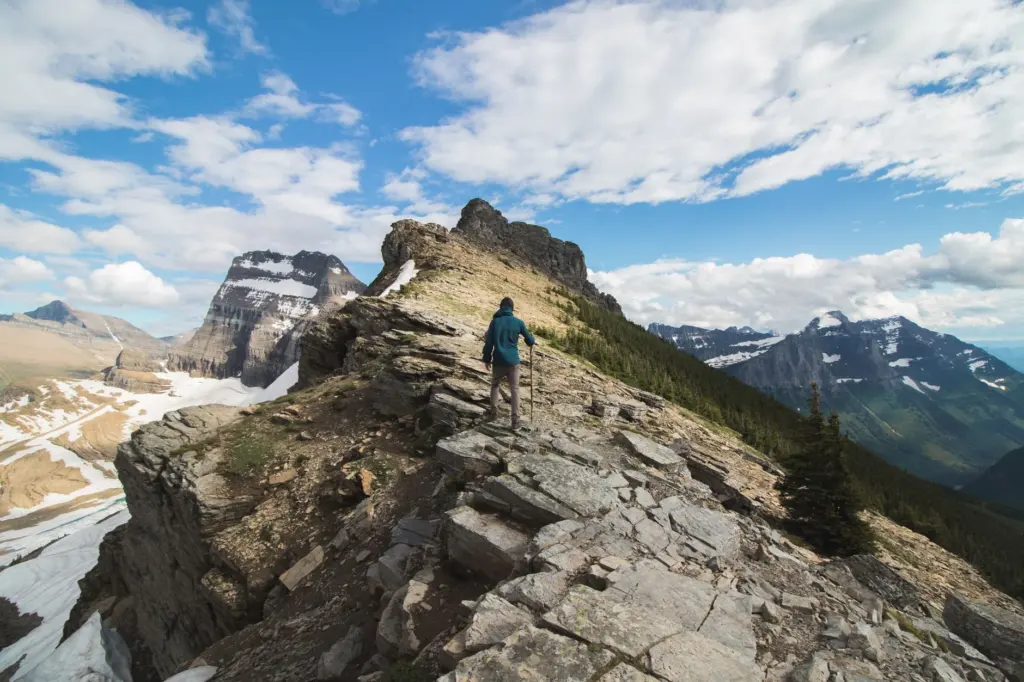
- Physical demand narrows your timing. The Inca Trail takes around four days and reaches 4,200 m, and it is tough in sections, as Flight Centre’s list describes. That suits a year in which you can train, not one when your schedule is already stretched.
- Extreme conditions change what you pack. Finnish Lapland in winter brings temperatures of about -22°C, and the Condé Nast Traveller writer’s advice is to bring a camera that can handle them. Cold-weather trips need equipment decisions long before departure.
If your leave is short, start with experiences that fit a few days or a day trip. Save the multi-week itineraries for a year when you can protect the time, because rushing them removes much of the reason to go.
Experience ideas by type
Adventure travel tests your body or nerve, while cultural travel changes what you notice and learn. A balanced list usually holds both, and the choice between them is a values decision before it is a logistics one.
Nature and adventure
Big landscapes work well as bucket list items because the scale is part of the appeal. The Grand Canyon stretches for 277 miles, according to Flight Centre’s list, and the Colorado River runs through it. At that size, decide early whether you want a short viewpoint visit or a longer way of seeing it, because the two are very different trips.
If you want adrenaline with structure, a guided format helps. Landlopers describes the Sydney Harbour Bridge climb as run in small groups, with climbers harnessed to the steel rails at all times. That makes it a sensible choice for people who want height and spectacle without improvising.
Culture and landmarks
Cultural experiences often depend on the time of day more than the season. At Angkor Wat, Flight Centre’s list describes the sun’s rays at sunrise slowly revealing corridors and carvings. The same logic applies at the Taj Mahal, where the light differs between dawn and dusk. Decide which you prefer before you fix your schedule.
Landmarks can also be low-commitment. The same list notes that the Great Wall’s Badaling and Juyongguan sections are both easy day trips from Beijing. That suits travellers who want a famous sight without building a trip around it.
How a travel bucket list works
A bucket list is a collection of goals, dreams and aspirations that you hope to achieve or experience before you die, as Bucket List Travels defines it. A travel bucket list narrows that to your personal list of destinations and experiences to visit in a lifetime.
The word “personal” matters. A list that suits someone else can leave you flat, because the same trip delivers different things to different people. Writing yours down forces trade-offs you would otherwise avoid, such as what each item costs in time, effort and money, and whether it still feels worth it once you see that cost. The list becomes a decision tool rather than a wish list.
Prioritising by values, time and budget
Prioritising is a matter of sorting, not ranking every item perfectly. Each item gets a quick answer on three questions: does it matter to me, how much time does it need, and what can I afford?
- Start with values. Decide whether you are drawn to adventure, culture or a mix. If a trip looks impressive but would not energise you, it belongs at the bottom regardless of its reputation.
- Split must-dos from nice-to-dos. Bucket List Travels marks the items its writers say you absolutely must not miss with orange labels and treats everything else as a nice-to-do if you have the time or interest. Applying the same two tiers to your own list keeps a handful of real priorities from being buried under a long wish list.
- Use distance as a sorting lens. Flight Centre organises its 40 destinations by how far you need to travel to reach them. Sorting your own list that way shows which trips demand a long journey before you have even arrived.
- Treat other people’s lists as starting points. Landlopers is explicit that its list reflects personal experience and is not exhaustive. Borrow ideas, but weigh them against your own values rather than copying them.
- Let budget set the order, not the dream. Estimate the total cost of each item and place expensive trips behind affordable ones in time, instead of dropping them.
The result is a short list of must-dos, a larger group of nice-to-dos, and a rough order driven by how much time and money each needs. If two items tie, pick the one with the narrower window, such as a physically demanding trip you may not manage in later years.
Planning and budgeting for the trips you choose
Once an item is on your priority list, the next question is format. Many bucket list experiences can be done in several ways, and the format often changes cost and time more than the destination does. The Great Barrier Reef, for example, can be experienced through diving, snorkelling, boat trips, cruises, submarine excursions, helicopter and seaplane flights, and overnight stays, according to Flight Centre’s list. Ask operators for prices on the formats that interest you and choose the one that fits your budget and comfort level.
Build the budget around three steps:
- Check entry and timing details. Look at your government’s travel advice and the destination’s official tourism board for entry requirements, seasons and any permits before you commit to dates.
- Pin down the big costs first. Transport, accommodation and any guided activity usually decide whether a trip is feasible, so price them before smaller extras.
- Match saving time to trip timing. Put expensive trips later on your list so you have time to save, and keep cheaper, nearer ones for the current year.
If money is the obstacle rather than time, How To Get Paid To Travel The World: 7 Practical Paths To Turn Travel Into Income In 2026 – Dontstopliving looks at ways of funding longer trips through work. If you are building the list with a partner, The Ultimate Couples Bucket List: 75 Romantic, Adventurous, and Meaningful Ideas to Try in 2026 – Dontstopliving helps you merge two sets of priorities.
Frequently asked questions
Where does the term “bucket list” come from?
It comes from the English expression “kick the bucket”, meaning to die, according to Bucket List Travels. The list is therefore the things you hope to do before that point.
Is a very long list a problem?
Not if you treat it as inspiration. One blogger’s list at The Restless Wild runs to 370 items, plus 42 mountains and 28 long trails, and the author describes it as an aspirational guideline for when inspiration is needed, not a to-do list. Pair a long list with a short must-do tier so action stays manageable.
Does visiting Santa Claus Village cost money?
According to Landlopers, the visit with Santa is free of charge, but the photos taken come with a small fee. The article does not state the amount, so check the current price before you go.
Can I filter ideas by trip type or travel with children?
Yes. Bucket List Travels lists more than 1,300 bucket list travel experiences and lets you filter by country or continent, by cultural or adrenaline-fuelled type, and by suitability for kids under 12. That makes it easy to build separate shortlists for different travel companions.