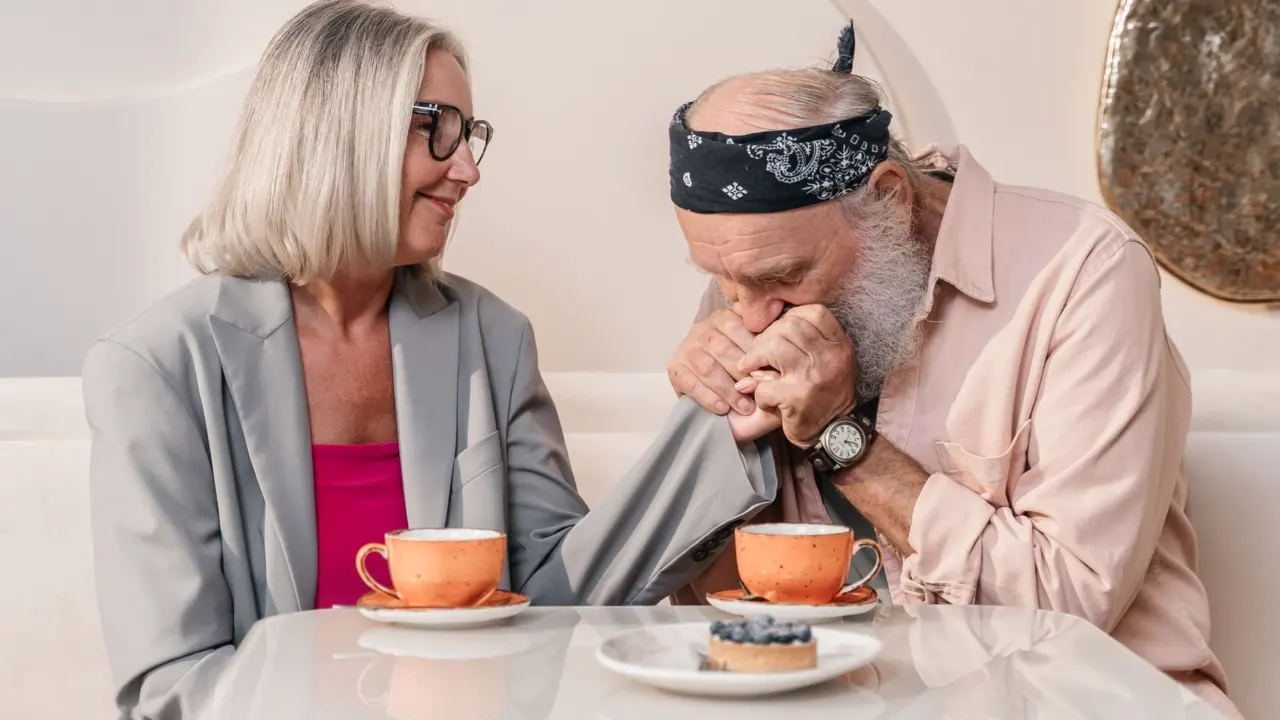
Dating later in life goes best when you treat it as a set of learnable skills: knowing what you want, stating boundaries early, vetting matches carefully and keeping first meetings simple. Safety checks matter most online.
This guide sits within our wider look at healthy relationships. It moves in the order dating tends to unfold: clarity, boundaries, where to meet people, safety, first dates and warning signs.
Start with confidence and clarity
Confidence in this context means being ready to act, not having no nerves. Most of the early work happens before any message is sent, because clear criteria save you from drifting into connections that were never going to fit.
Open up without rushing
Relationship advice published by Relationships Work encourages people restarting after a painful ending to stay open despite past hurt and to keep a positive outlook. Whether you are divorced, widowed or long single, the practical meaning is the same. Allow some vulnerability on dates, but let trust build at the pace the other person earns.
Sort what you want into three groups
The same advice suggests thinking through the qualities you want in a partner and sorting them into must haves, would likes and deal breakers. Write the lists down before you create a profile. Keep must haves and deal breakers few and honest, because a long list of must haves will screen out good matches while a short one protects what matters. Preferences such as hobbies belong under would likes, where they can bend.
Set boundaries early
Early boundaries work because early behaviour sets the pattern. Relationships Work puts it plainly: we teach people how to treat us in the beginning. It also advises being assertive when something bothers you and using “I” statements, which describe your reaction instead of accusing the other person.
Short scripts make this easier to do in the moment:
- Pace of contact: “I like to chat here for a few days before swapping numbers. Is that okay with you?”
- Money: “I don’t send or lend money to anyone I haven’t met in person.” This is a fixed rule, so you never need to weigh a request case by case.
- Deal breakers: “Smoking is a deal breaker for me, so I’d rather say so now than waste your time.”
- When something bothers you: “I feel uneasy when plans change at the last minute. Could we confirm the day before?”
A person who respects a calmly stated limit is showing you something useful. One who argues with it is showing you something too.
Meeting people in person
In-person dating later in life works best through repeated, shared activity rather than a hunt for dates. Classes, volunteer teams, walking groups, book clubs and adult education courses give you something to talk about and a reason to see the same people again. Tell friends you are open to introductions, since a trusted intermediary has already done some of the vetting.
Use an opener tied to the activity, such as asking whether someone has taken the instructor’s class before, and suggest a next step only if the conversation flowed. Drop activities that drain you. The aim is more genuine conversations, not forced chemistry.
Choosing online dating sites
Online dating is mainstream for people restarting later in life. A dating-guide post citing Pew Research Center’s 2022 survey reports that 36% of U.S. adults who were divorced, separated or widowed had used an online dating site or app. The same post says one or two platforms are enough to begin, and that is the better approach for most people. Spreading yourself across many apps splits your attention and makes safe vetting harder.
No single site suits everyone later in life, so judge fit locally. That guide advises paying attention to how profiles are structured, what the local dating pool looks like and how conversations tend to start. If profiles in your area are sparse or the openers are all generic, move on before paying for anything.
Photos do much of the work. Remove any that no longer represent how you look or live now, and pair a clear recent face photo with one showing something you enjoy. Write a bio about daily life and values rather than a list of requirements.

Online dating safety checklist
Safety is the part of online dating that most deserves a routine, because scammers deliberately target people looking for partners. Crimestoppers UK notes that scammers exploit people looking for romantic partners, through dating websites, apps or social media. The scale is large. Reporting by the International Consortium of Investigative Journalists cites Federal Trade Commission data showing record romance scam losses in 2025, with over 70,000 reports and $1.47 billion lost in the U.S.
Daters report meeting suspicious people often. Security.org cites Pew data that 52% of Americans who have used online dating sites say they came across a suspected scammer. It also cites a Norton finding that 76% of adults who have used a dating app or website reported at least one form of scam. The two figures measure different things, but both say that a cautious routine is ordinary sense, not paranoia.
| Check | What to do | Planning use |
|---|---|---|
| Money | Never send money, gift cards or cryptocurrency to someone you have only met online | Treat any such request as the end of the conversation, however warm it has been |
| Photos | Run a match’s photos through a tool such as Google reverse image search or TinEye | Do this before sharing personal details or moving to a private channel |
| Accounts | Enable two-factor authentication and use a unique password on each platform | Set this up on the day you create your profile |
| Identity | Meet face-to-face, described as the best way to verify identity | Aim for a meeting once chat feels genuine rather than letting messaging run on indefinitely |
| Evidence | Keep screenshots and note the time and date of conversations | Start from the first odd message so a report has something to rely on |
These steps come from Security.org’s romance scam guidance and Crimestoppers UK’s internet dating advice.
First dates that stay simple
A first date is mainly an identity and comfort check. Face-to-face contact is the best way to confirm that the person matches the profile, so do not postpone it for long once the chat feels real. Choose a public, comfortable place such as a cafe or a daytime walk, tell a friend where you will be, and keep the meeting short enough that you can leave on a good note.
Good conversation is mostly good questions. Ask open ones that invite stories, such as what projects someone is enjoying or what a favourite trip taught them. Listen, ask a related follow-up and offer a small detail of your own in return. For more ideas, Deep Conversation Topics: 50 Thoughtful Prompts To Spark Real Connection In 2026 – Dontstopliving has a longer set of prompts for when small talk runs out.
Save heavy subjects, such as detailed past relationships and finances, for when trust exists. Afterwards, send a short message that mentions a moment from the date. If you are not interested, say so kindly rather than disappearing.

Red flags and healthy communication
Many warning signs are visible before you ever meet. Crimestoppers UK says scammers typically build fake profiles designed to lure people in and may claim false identities, such as military personnel or professionals working abroad. A profile with a convenient story, a reluctance ever to meet in person, or a request for money deserves an immediate stop. If you have already shared messages, keep them as evidence and report them.
Red flags also appear in real people who are not scammers. Dishonesty about important facts, dismissing a stated boundary and secretive behaviour all point the same way. Name the concern calmly with an “I” statement, watch whether behaviour changes, and step back if it does not.
When a connection does last, keep talking about expectations as they change. If momentum fades later, How to Rekindle a Relationship: 7 Practical Steps to Restore Connection in 2026 – Dontstopliving offers a way back to closeness.
Frequently asked questions
What should I do after a disappointing date or match?
Give yourself a break, then start again. Relationships Work advises staying positive and restarting after setbacks, and treating each experience as information about what you want rather than a verdict on you.
What does the new U.S. romance scam law change?
The Romance Scam Prevention Act, covered by ICIJ, will require online dating services to notify users when someone they have been talking to is banned for fraud. The notice is generally due 24 hours after the ban and must advise users not to send cash or financial information. The FTC and state attorneys general enforce it, and it takes effect in one year.
Who do I contact if I feel in danger?
UK guidance from Crimestoppers UK is to call 999 if you are in immediate danger and to report scams to your local police on 101. Elsewhere, use your own country’s emergency and police numbers.