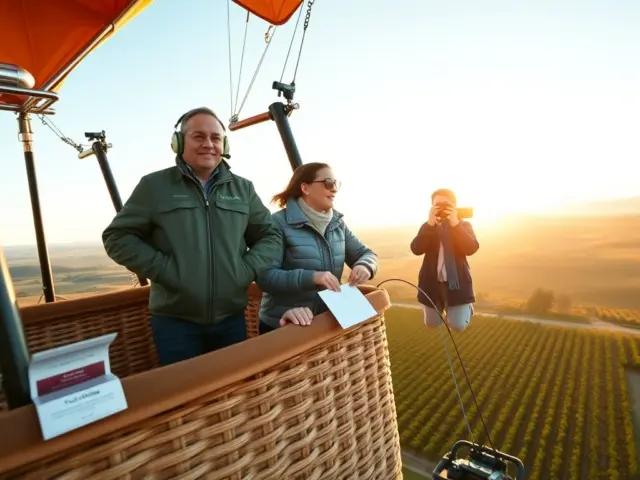
How to get paid to travel the world is one of the most common questions for people who want location independence or long-term travel. This guide outlines realistic, practical paths you can pursue—what each path looks like day to-day, the concrete first steps, tools and platforms to use, typical earnings ranges and timelines, and common pitfalls to avoid. Read it to match a path to your skills, budget, and travel style, and to leave with a short checklist of next moves so you can start testing an income stream on the road.
Key Takeaways
- Freelance remote work in niches like writing, design, or development can let you get paid to travel the world if you treat it like a business: define rates, create contracts, and build repeat clients.
- Travel content creation (blogs, YouTube, social media) can become a full income but requires consistent audience-building, SEO and platform strategy, and diversification of monetization.
- Teaching English, tutoring, and selling online courses provide predictable income and scale well with a mix of live sessions and evergreen products.
- Work exchange, seasonal gigs, and hostel shifts reduce living costs and provide cultural immersion while you develop longer-term income streams.
- Specialized travel careers such as cruise staff, tour guiding, aid work, and travel photography offer structured employment with benefits but require certifications, portfolios, or agency relationships.
Freelance Remote Work And Digital Nomad Jobs
Freelance remote work is one of the fastest ways to get paid to travel the world because you can often start with skills you already have. Common niches: copywriting and content writing, graphic and web design, software development, digital marketing, virtual assistance, bookkeeping, and project management.
Concrete steps to begin
- Audit your skills and pick 1–2 marketable services. Specializing increases rates and repeat business.
- Create a simple portfolio (case studies, sample projects) and a short pitch. Use a single-page site or a PDF you can send to prospects.
- Set clear hourly rates or project fees, including a policy for revisions, late payments, and timezone expectations.
- Find clients via job boards (Upwork, Remote OK, industry-specific boards), LinkedIn outreach, and by pitching small businesses you’d like to work with.
- Automate workflows with tools: proposals and invoicing (Wave, QuickBooks), time tracking (Toggl), communication (Zoom, Slack), and file sharing (Dropbox, Google Drive).
Realistic timeline and earnings
- First paid client: 2–8 weeks with consistent pitching.
- Replacement income for a part-time job: 3–6 months if you focus on repeat clients or retainer work.
- Full-time freelance income: 6–18 months, depending on rates and niche.
Challenges and tips
- Plan for variable income: keep an emergency fund (3–6 months recommended) and diversify clients.
- Manage timezones proactively—block client hours and use scheduling links to avoid confusion.
- Protect yourself with simple contracts and require deposits on larger projects.
How this supports travel: many freelancers can work from anywhere with reliable internet, allowing extended stays and slower travel that’s compatible with client commitments.
Travel Content Creation: Blogging, YouTube, And Social Media
Creating travel content is a compelling route to get paid to travel the world, but it’s a long-game business. Monetization options include display and video ads, affiliate marketing, sponsored posts and brand deals, digital products (guides, presets), memberships (Patreon, Substack), and selling services (consulting, photography).
Practical approach
- Choose a focused niche (budget travel, slow travel, adventure, family travel) and define your target audience.
- Plan a content calendar based on keyword research and platform best practices (SEO for blogs, watch-time and thumbnails for YouTube, consistent visuals and hooks for Instagram/TikTok).
- Create a content production workflow: shoot, edit, publish, and promote. Batch content where possible to stay consistent while traveling.
- Track metrics monthly (traffic, watch time, audience growth, engagement) and pivot to what performs.
Monetization roadmap
- Early stage: affiliate links, small ad revenue, and micro-sponsorships—use these to cover gear and hosting costs.
- Growth stage: medium sponsors, digital products, and paid partnerships—this is when travel can be largely self-funded.
- Mature stage: diversified income—long-term contracts, courses, or a membership community provide stability.
Pitfalls to avoid
- Don’t treat content as a hobby if you want income—set KPIs, budgets, and time for promotion.
- Avoid relying on a single platform—algorithm changes can reduce income quickly.
How this supports travel: content creation often lets you showcase places you visit while building a brand that can lead to free or discounted travel and long-term partnerships.
Teach English, Tutoring, And Online Courses While Traveling
Teaching online is one of the most consistent ways to get paid to travel the world. Options range from live one-on-one tutoring to group classes, and from teaching conversational English to exam preparation. You can also create recorded courses to sell passively.
How to get started
- Decide whether you want live tutoring (time-zone dependent) or passive courses (upfront work, long-term sales).
- Use platforms such as iTalki, Preply, or niche tutoring marketplaces to find your first students, or set up your own bookings via a personal site plus Calendly/Stripe for payments.
- Build lesson templates and a repeatable curriculum; collect student feedback to improve and increase rates.
- For recorded courses, choose a platform (Udemy, Teachable, or your own LMS), outline a course, and record in short, focused lessons.
Income expectations and scaling
- Hourly tutoring can provide reliable short-term income—rates vary widely by subject and experience.
- Courses require marketing but can provide passive recurring revenue once established.
- Combining live teaching with course sales and group classes diversifies risk and increases earnings.
Travel considerations
- Reliable internet and a quiet teaching space are essential—plan accommodations with this in mind or use coworking spaces.
- Time-zone alignment matters—block consistent teaching hours and communicate availability clearly to students.
Work Exchange, Seasonal Gigs, And Hostels: Low-Cost Ways To Earn On The Road
Work exchange and seasonal work are practical ways to lower travel costs while getting paid or receiving free lodging and meals. These options are especially useful for people who want to stretch savings, learn hands-on skills, and spend time living in one place.
Types of opportunities and what to expect
- Work exchanges (Workaway, WWOOF-style hosts): typically a set number of hours per day for room and board. Good for immersive cultural experiences and skill exchange.
- Seasonal jobs (farms, ski resorts, beach towns, harvests): often paid positions with defined contracts for a season; can include staff accommodation.
- Hostel work: reception, event organizing, or social media support in exchange for free accommodation plus some wage in certain places.
How to approach them safely
- Vet hosts and employers—look for reviews, ask for references, and confirm expectations in writing (hours, food, extras).
- Have a backup plan and some savings in case a position ends early or conditions differ from the listing.
- Use short-term exchanges as a way to test a region while you build longer-term income streams remotely.
How this supports travel: these roles often allow deeper local engagement than short-term tourism and can buy you time to develop remote income without paying full accommodation costs.
Specialized Travel Careers: Cruise Staff, Tour Guiding, Aid Work, And Photography
Specialized travel careers are for people who want travel to be part of structured employment. These roles often come with contracts, benefits, or steady assignment work and are excellent for those who prefer formal employment over entrepreneurship.
Common roles and entry points
- Cruise staff and hospitality on ships: roles vary from entertainment to guest services. Employers often require applications through official recruitment channels and may provide accommodation, meals, and medical support on board.
- Tour guiding: local guiding companies or larger operators hire bilingual guides, specialized adventure guides, or heritage guides—certifications and strong local knowledge help.
- Aid and development work: NGOs and international agencies hire field staff, often requiring relevant experience, background checks, and vaccinations; contracts can include travel allowances and insurance.
- Travel photography and assignment work: building a portfolio, networking with publications and PR agencies, and licensing images through agencies or direct clients are core activities.
Preparing for these careers
- Gain relevant certifications and training (first aid, guiding licenses, maritime safety, professional photography courses).
- Build a portfolio and references; volunteer or take short contracts to gain practical experience.
- Understand seasonality and be ready for downtime—many roles have high and low seasons and require careful budgeting.
How this supports travel: these jobs make travel an employment benefit, often covering moves between locations and giving structure, steady pay, and professional growth while you see the world.