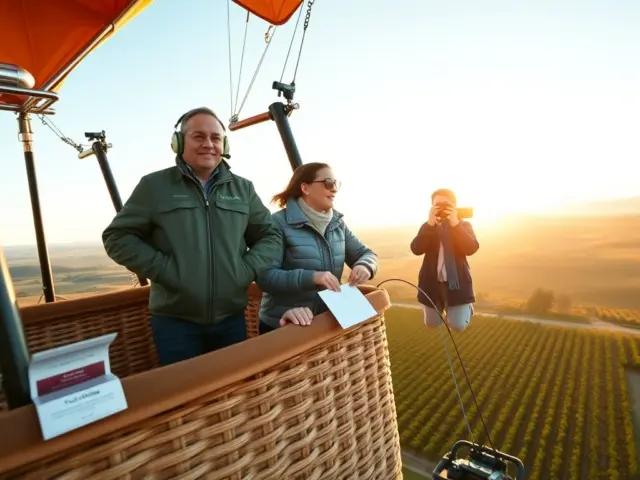
Once in a lifetime experiences draw people toward rare events that break routine and can change how they see themselves or the world. The reader wants clear steps to find and plan those events, and to get the most meaning from them. This guide shows what counts as a true once in a lifetime experience, how to pick one that suits your values and limits, how to plan it well, and how to preserve the memory afterward. The advice suits travelers, thrill seekers, milestone celebrants, and anyone who wants a deliberate, meaningful break from routine.
Key Takeaways
- A once in a lifetime experience is a rare, meaningful event that deeply moves you and often cannot be easily repeated.
- To choose the right once in a lifetime experience, start by defining your purpose, assess your limits, research firsthand accounts, and test a related smaller activity if possible.
- Adventure and nature offer powerful once in a lifetime experiences through unique challenges and wildlife encounters, but require proper safety measures and guides.
- Effective planning for these experiences involves budgeting for all costs, understanding timing and local conditions, booking early, and preparing necessary documents and insurance.
- To make the once in a lifetime experience memorable, focus on capturing three key moments in a journal, collect meaningful keepsakes, and establish rituals to relive the event long after it ends.
What Defines A Once‑In‑A‑Lifetime Experience?
A once in a lifetime experience feels rare and important because it combines at least two of these qualities: uniqueness (a setting or event most people don’t encounter), emotional intensity (fear, awe, joy, grief, or profound insight), and limited opportunity (seasonal, logistical, age‑related, or resource constrained). It leaves a person changed or deeply moved, often by confronting limits, revealing a new perspective, or providing a milestone marker. These experiences frequently require new skills or preparation, draw strong sensory memories, and demand trade‑offs — more time, money, or personal risk than routine activities. People often call an event once in a lifetime when it can’t be easily repeated without cost, risk, or losing the original context.
Categories That Deliver Lasting Impact
People usually find lasting experiences in a few clear categories. Each category offers a different kind of memory and learning, and the right category depends on what you want to feel afterward.
Adventure & Nature: High‑Thrill And Wild Encounters
Adventure and nature trips give strong sensory memory and often include physical challenge, wildlife viewing, or remote places. Examples include summiting a peak, a multi‑day trek, diving in a remote reef, or watching a seasonal wildlife migration. These activities push limits and create vivid stories because of the combination of risk, effort, and environment. To benefit most, choose reputable operators, check guide credentials, confirm rescue and evacuation plans, and ensure your fitness and gear match the demands. Respect local ecosystems and regulations—ethical choices preserve the experience for others and maintain its integrity.
How To Choose The Right Experience For You
Start by clarifying purpose: Do you want a challenge, spiritual renewal, cultural immersion, or a life milestone? Write a short statement of intent (one or two sentences) to guide choices. Inventory constraints: time available, budget range, health and mobility, and acceptable risk. Then map those constraints to categories and shortlist options that align with your intent. Read at least three first‑hand accounts or detailed reviews for each option to learn common pitfalls and highlights—pay attention to recent travel blogs, forums, and operator reviews. If possible, do a scaled trial: a weekend climb before a multi‑week mountaineering expedition, or a day‑long cultural homestay before committing to a month‑long program. That test reduces uncertainty and informs realistic expectations. Finally, discuss the choice with a trusted friend or advisor who can offer perspective on whether the experience fits your broader life plans.
Practical Planning Tips: Budgeting, Timing, And Logistics
Build a detailed plan that includes a line‑item budget and a timeline. Budget beyond headline costs: include transport to and from the start point, local transfers, tips, special clothing or equipment, permit fees, emergency funds, and a cancellation buffer. Check seasonal conditions, weather windows, and local holidays that affect access and crowding. Reserve elements that sell out early — permits, guide spots, and specialized accommodation — as soon as you are sure. Confirm passport and visa requirements, vaccinations, and any activity‑specific waivers. Buy travel or activity insurance that explicitly covers the risks you will face (medical evacuation, trip interruption, high‑risk sports). Create a logistics checklist with vendor contacts, reservation numbers, and local emergency numbers. Practice any necessary skills ahead of time (navigation, basic first aid, using specific gear) and run through a packing rehearsal to avoid last‑minute omissions. Finally, set contingency plans for common disruptions like weather delays or flight cancellations so you can adapt without losing the core experience.
How To Make The Memory Last: Storytelling, Keepsakes, And Rituals
To preserve what you felt, capture both facts and feelings. Identify three key moments you want to remember before the experience ends — a sensory detail, an emotional turning point, and a simple anecdote — and record them in a short journal entry the same day while memories are fresh. Use one high‑quality photo to represent the event and several candid shots that show context; avoid overshooting to the point that you spend the whole time behind a lens. Choose a small, legal keepsake or make a tangible artifact: a pressed leaf, a ticket stub, a printed photo sequence, or a short handmade booklet of notes and images. Create a post‑experience ritual to reinforce the memory: share the story with friends at a dinner, map the route on a wall chart, or recreate a meal from the place you visited. Over time, convert these materials into a lasting format — a printed photo book, a narrated digital slideshow, or a recorded conversation about what changed for you — so the event remains accessible as a coherent story rather than a series of fragmented images. These practices help a once in a lifetime experience remain vivid and meaningful across years.