Solo travel for seniors offers freedom, growth, and clear benefits. This guide gives short, direct steps. It covers health checks, documents, packing, and safety. It shows how to choose friendly places and simple ways to meet people. The language stays plain. The reader gets usable advice they can apply before and during a trip.
Key Takeaways
- Solo travel for seniors empowers independence by allowing control over pace, activities, and social interactions, boosting confidence and mental health.
- Prioritize health preparations such as doctor check-ups, updating medications, and carrying essential documents to ensure a safe solo trip.
- Choose senior-friendly destinations with accessible transport, good healthcare, and accommodations offering necessary safety features like grab bars and easy elevator access.
- Prepare mobility aids, manage medications carefully, and secure travel insurance that covers preexisting conditions to stay healthy and stress-free on the road.
- Adopt practical daily habits like carrying a money belt, learning local phrases, and using secure transportation to enhance safety and social connections during solo travel for seniors.
Why Solo Travel Can Be Empowering For Older Adults
Solo travel for seniors lets them make their own choices. It gives them control over pace, sights, and meals. Many find that travel improves mood and sharpens memory. Social studies show that new experiences reduce isolation and support mental health. Solo travel for seniors can build confidence when they solve small problems on the road. They learn local ways, try new foods, and meet new people. Each successful trip reinforces a sense of capability. Families often report that older relatives return more upbeat after a solo trip. Solo travel for seniors can also allow focused time for hobbies like photography, walking, or history. They pick routes that fit their stamina and interests. The result can be joy, calm, and renewed purpose.
Planning Essentials: Health, Documents, And Trip Logistics
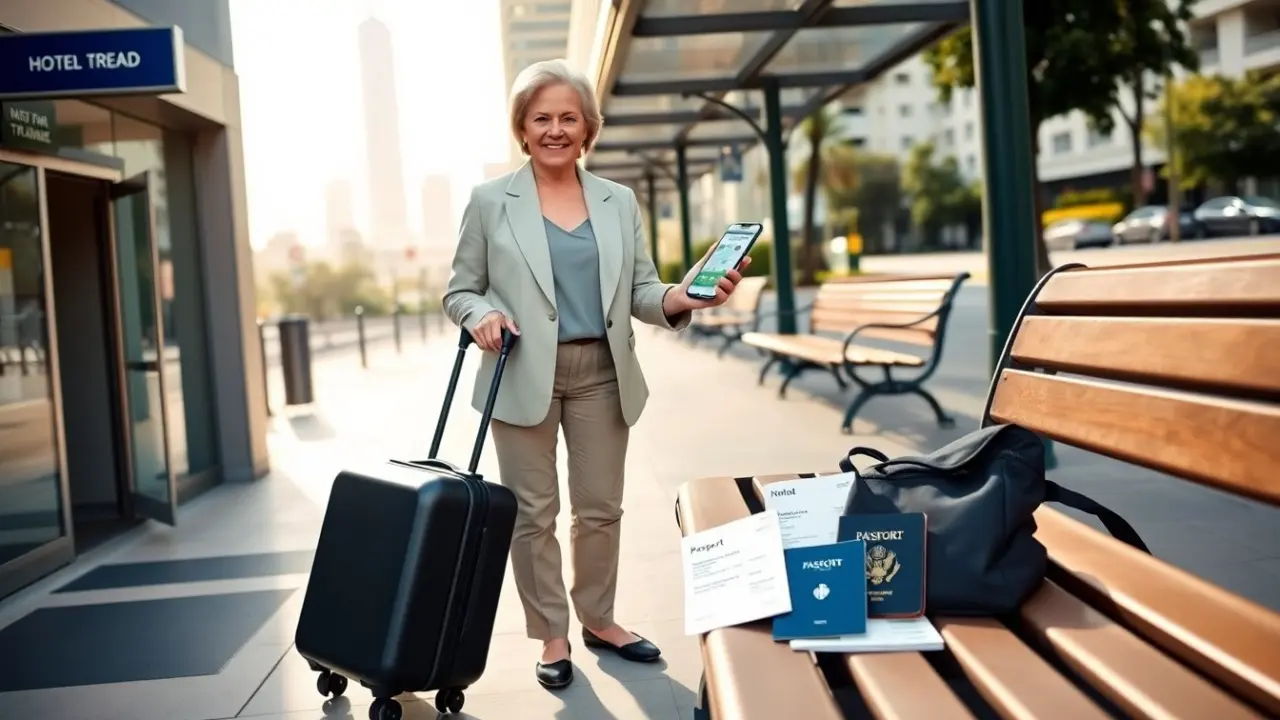
Solo travel for seniors starts with a health check. A doctor reviews medications, vaccines, and physical limits. The traveler updates prescriptions and gets a travel letter that lists medicines and doses. They scan passports, insurance cards, and emergency contacts. The traveler saves copies to cloud storage and to a trusted contact. They book flexible tickets and refundable rooms when possible. The traveler checks airline assistance options for mobility needs. They note time zones and local emergency numbers. The traveler sets a realistic daily schedule with rest windows. They carry a paper list of allergies, chronic conditions, and primary care details. The traveler tells a friend or family member the itinerary and daily check-in plan. They enroll in embassy or consular alert services when abroad. These steps reduce stress and make solo travel for seniors safer and simpler.
Mobility, Medication, And Travel Insurance — What To Prepare
The traveler tests mobility aids before the trip. They confirm measurements for walking aids and fit for shoes. The traveler packs a small repair kit for canes or medical devices. They keep medications in original containers and split doses between carry-on and checked luggage. The traveler sets alarms for medication times. They ask a doctor about carry-on needs for needles or oxygen. The traveler buys travel insurance that covers preexisting conditions and medical evacuation. They read the policy and note claim steps and limits. The traveler registers medical details with the insurer. They check whether the destination accepts their health card or if they need extra coverage. These actions help the traveler manage health and feel secure during solo travel for seniors.
Picking Safe, Senior-Friendly Destinations And Accommodation
The traveler picks destinations with good health care and easy transport. They favor cities with short distances between sights and reliable public transit. The traveler reads recent reviews from other older visitors. They choose neighborhoods that feel calm and well-lit. The traveler prefers ground-floor rooms or rooms near elevators. They request rooms with grab bars when needed. The traveler confirms hotel staff can help with luggage and local calls. They consider small guided tours that use private vehicles and short walks. The traveler looks for sites with benches and frequent rest points. They avoid remote areas with limited services unless they travel with a trusted guide. The traveler chooses destinations with clear signage and English support if that helps. These choices lower risk and increase comfort for solo travel for seniors.
Everyday Tips For Comfort, Socializing, And Staying Secure On The Road
The traveler packs layers and a light rain jacket for changing weather. They carry a small day bag with water, snacks, and a charged phone. The traveler uses a money belt or hidden pouch for cash and cards. They photocopy key documents and store copies separately. The traveler learns a few local phrases for greetings and emergencies. They join day tours or community classes to meet people. The traveler dines at communal tables or joins food tours to connect with others. They use secure ride services and confirm driver details before entering the car. The traveler picks ATMs in banks and avoids street cash withdrawals at night. They set simple rules: share location with a trusted contact, limit alcohol, and avoid risky shortcuts. The traveler listens to their body and rests when needed. These habits keep comfort high and risk low while enjoying solo travel for seniors.