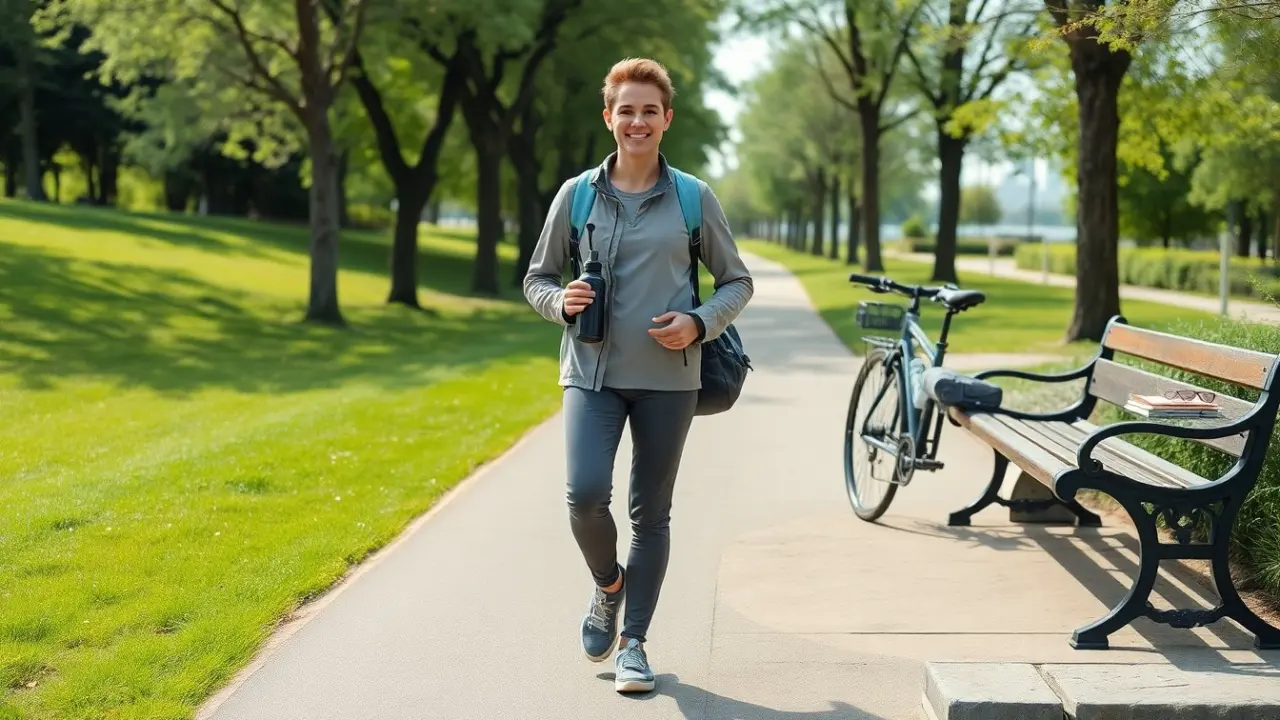
things to do alone outside help people find quiet, movement, and fresh air. The list below gives clear, safe ideas for short breaks and longer outings. Each idea suits different energy levels and comfort. The guide keeps steps simple and practical. Readers can pick activities that fit time, location, and mood. Use this as a go-to reference when you want focused, restorative time outdoors—whether you have 10 minutes or a few hours.
Key Takeaways
- Spending time alone outside boosts mood, reduces stress, and improves mental focus by connecting with nature.
- Quick outdoor activities like brisk walking, stretching, or mindful breathing can fit easily into daily routines for a refreshing break.
- Creative solo activities outdoors encourage presence and exploration without requiring much equipment or energy.
- Engaging in active solo adventures such as hiking or biking builds stamina and improves mood while offering safe ways to enjoy nature.
- Safety tips include planning routes, carrying essentials like water and a phone, dressing in layers, and informing someone about your plans for outdoor activities.
- Regularly spending time alone outside helps build resilience, steady concentration, and promotes better sleep and overall well-being.
Why Spending Time Alone Outdoors Boosts Your Mood And Focus
Spending time outside improves mood and mental clarity. Nature reduces stress and lowers heart rate. A quiet walk raises attention and helps people think. Sunlight helps the body make vitamin D. Fresh air increases oxygen to the brain and supports energy. Time alone gives space for reflection and creative thought. Small breaks outdoors reset focus and make tasks feel easier. Regular outdoor habits build resilience and steady concentration. People who step outside daily report better sleep and less irritability.
Beyond these benefits, the outdoors offers varied sensory input—birdsong, wind in the trees, shifting light—that encourages mindfulness without effort. Even brief interactions with green spaces can interrupt rumination and shift the mind away from screens. For people working from home, students, or caregivers, deliberately scheduling several short outdoor breaks throughout the day can improve productivity and reduce decision fatigue. Aim to notice one detail each time you go out (a leaf shape, a scent, a cloud formation) to train attention and deepen the mood-boosting effect.
Quick 15–30 Minute Activities You Can Do Every Day
Take a brisk walk around the block. Walk at a moderate pace and count steps. Do five minutes of focused breathing on a park bench. Breathe in through the nose and breathe out through the mouth. Stretch on a lawn and hold each stretch for 20 seconds. Eat a snack while watching birds and notice colors and sounds. Try a short bodyweight routine: squats, lunges, and push-ups. Sit quietly and listen to ambient sounds for ten minutes. Carry a light weighted object and toss it gently to warm up muscles. Pick one small task and finish it outside to feel productive.
Other easy micro-routines include a standing balance drill (lift one foot for 30 seconds), a walking meditation where you sync breath to steps, or a quick photo scavenger hunt—find three different textures or colors and capture them on your phone. If time is tight, use a timer: 15 minutes of focused outdoor activity can be surprisingly restorative. Rotate a few short options throughout the week so the habit stays interesting and fits different weather or daylight conditions.
Creative And Gentle Solo Activities
People can choose creative activities that require little gear. These options fit low energy days and slow afternoons. They also let people explore new interests and stay present.
Ideas to try: sketch a favorite tree or rooftop scene in a notebook, write a six-line page of journaling about what you notice, or practice mindful photography—focus on framing and texture rather than perfect shots. Gentle nature crafts are another option: collect interesting pebbles or leaves for a temporary arrangement, or trace a leaf outline with a pencil. For an auditory practice, bring a small recorder or use your phone to capture sounds and later reflect on what each clip evokes. These activities encourage curiosity and creativity while keeping movement minimal and calming.
Adapt creative solo activities for accessibility and comfort: sit on a portable stool, use a lightweight lap desk, or choose shaded spots in hot weather. The goal is to stay comfortable and engaged so time alone outside becomes a sustainable part of your routine.
Active Solo Adventures And Safety Tips
People can pick active outings that match their fitness and comfort. They can walk longer routes, bike on local trails, or try a gentle hike. Each activity builds stamina and mood. Plan routes before leaving and tell a trusted person the plan. Carry water, a charged phone, and simple first aid supplies. Check weather and dress in layers. Use reflective gear at dawn or dusk. Pause when tired and return to base with plenty of daylight. Choose trails with clear markers to avoid getting lost. Practice one activity a week to build confidence and endurance.
For longer solo adventures, prepare by mapping your route, estimating time, and checking trail conditions. Bring a small daypack with a basic safety kit: water, snacks, sunscreen, a hat, and a basic multi-tool or whistle. If you’re biking, inspect tires and brakes before heading out. When hiking, pick trails that match your experience and gradually increase distance or elevation over several outings. Learn simple navigation skills—reading trail markers, using a compass app, and recognizing landmarks—so you feel secure exploring new places.
Additional safety habits: share your expected return time with someone, let them know the general route, and consider carrying an emergency contact card. Avoid risky routes alone after dark, and trust your instincts—if a place feels off, move to a busier area or head back. By balancing preparation and awareness, active solo adventures can become rewarding ways to boost fitness, confidence, and well-being while enjoying the outdoors alone.